Tractor History: From Steam-Powered Giants to Eco-Friendly Powerhouses
The story of the tractor is more than just machinery; it's a testament to human ingenuity, constant innovation, and the persistent quest to feed a growing world. This journey begins, surprisingly, not with roaring engines, but with the hiss and puff of steam. Did you know that early attempts at mechanizing farming actually predate the internal combustion engine? For more on specific tractor brands, check out this helpful resource: Best Tractor Brands.
The Early Days: Iron Horses and Ingenious Inventors
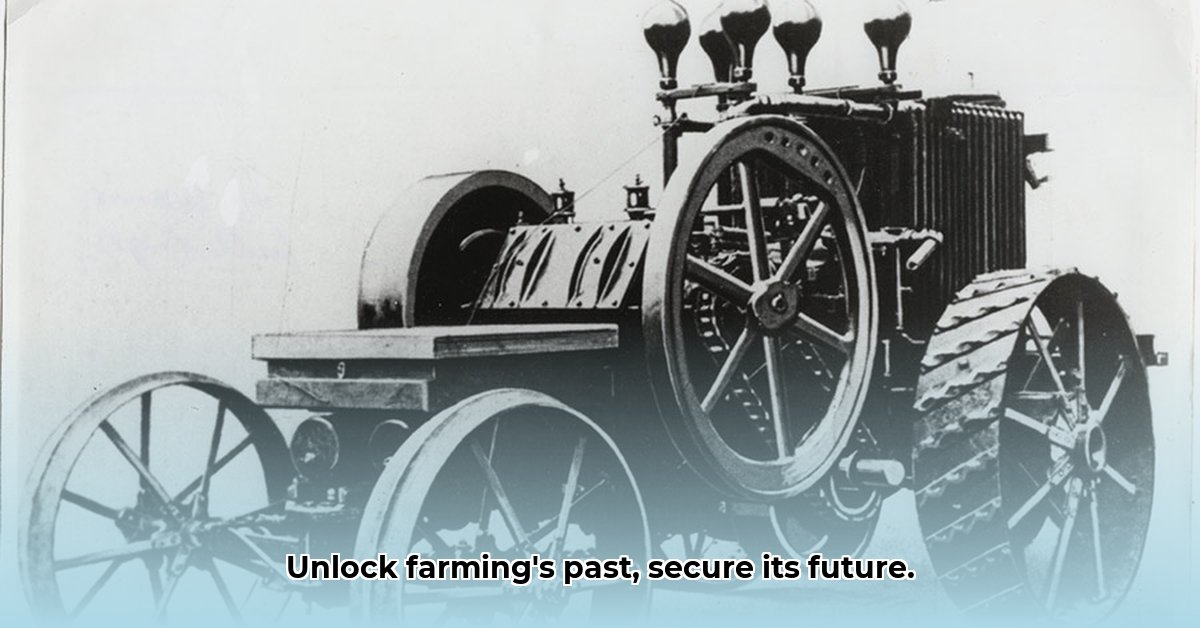
Before the familiar rumble of a tractor, farming relied heavily on animal power – a slow, backbreaking process. The demand for a better solution was undeniable. Early attempts involved steam-powered behemoths – massive, unwieldy machines that, despite their inefficiencies, proved surprisingly effective. These clunky giants, chugging across fields, represent a stark contrast to today's sleek machines.
Early innovators, like those at the Charter Gasoline Engine Company and John Froelich, faced monumental engineering challenges. Building reliable engines in the late 19th and early 20th centuries was incredibly difficult. They battled inconsistent fuel, unreliable components, and the sheer physical demand of moving heavy machinery across uneven terrain. While definitively identifying the very first successful tractor is complex – the technology evolved gradually – their contributions were essential. They were the visionaries who dared to imagine a future where farming wasn't solely dependent on brute strength. How many hours of backbreaking work did these early machines save?
Ford's Revolution: Tractors Become Affordable
Henry Ford's impact on the tractor industry was transformative. Before his innovations, tractors were expensive, specialized equipment primarily accessible to large farms. Ford's genius lay not only in creating a better tractor but in making them affordable for the average farmer. His revolutionary assembly line drastically reduced costs, democratizing access to this life-changing technology. The ripple effect across rural America was astounding. Suddenly, technology once exclusive to wealthy landowners became a tool available to everyday farmers. This wasn't just technological progress; it was a social and economic revolution. How did Ford's innovations impact small farms during this period?
A Century of Refinements: From Basic to Brilliant
The history of tractor development is a story of constant refinement and innovation. The three-point hitch system, for example, while seemingly simple today, was a game-changer. This ingenious design enabled farmers to easily attach and detach various implements – plows, harrows, seeders – making tractors incredibly versatile. They evolved into true workhorses, capable of handling diverse tasks.
Engine technology also saw dramatic leaps. Early gasoline engines were superseded by more powerful and efficient diesel engines. Now, we are witnessing the rise of electric motors, promising cleaner and more sustainable operation. Beyond the engine, advancements in transmissions, hydraulic systems, electronic controls, and GPS technology have rendered modern tractors incredibly precise and powerful. They are sophisticated machines, a world away from those early steam-powered behemoths. What other key design improvements significantly impacted tractor efficiency and use?
Modern Tractors and the Green Revolution
Modern tractors, while undeniably powerful and efficient, come with an environmental price tag. High fuel consumption results in significant greenhouse gas emissions. This has spurred a new phase in tractor history: the push towards sustainability. Electric and autonomous tractors are at the forefront of this movement, promising lower emissions and enhanced resource efficiency. But sustainability goes beyond the engine; it encompasses the entire lifecycle—from manufacturing materials to eventual disposal. Manufacturers are actively developing eco-friendly processes and materials. How can electric tractors minimize their environmental impact across their life-cycle?
The Future is Now: Sustainable Farming on the Horizon
What does the future hold for tractors? Experts predict that alternative fuels like biofuels and hydrogen could become commonplace. Imagine tractors powered by renewable energy sources, minimizing their environmental footprint. The increasing automation of tractors, guided by GPS systems, boosts efficiency and reduces reliance on human operators. Precision farming techniques allow farmers to apply inputs like fertilizers and pesticides precisely where needed. This minimizes waste and conserves precious natural resources.
However, challenges persist. The high upfront costs of these new technologies require consideration. The infrastructure to support electric tractors, such as charging stations in remote areas, demands significant investment. Further research is needed to improve the performance and longevity of alternative fuel systems and electric motors under demanding agricultural conditions. Additionally, societal considerations, such as potential job displacement due to automation, merit careful attention. What are the key technological hurdles to overcome in realizing the full potential of autonomous tractors?
Working Together for a Sustainable Future
The path towards a sustainable future in farming demands collaboration among various stakeholders. This includes farmers, manufacturers, governments, NGOs, researchers, and academia, each contributing unique expertise and resources. A collective effort focused on technological advancement, strategic investment, and effective collaboration is crucial in building a sustainable agricultural system that nourishes the world while safeguarding our planet. What collaborative strategies can accelerate the adoption of sustainable tractor technologies?